Relocating to Brisbane
Moving to Brisbane
Brisbane isn't one lifestyle or one property market. Choosing where to live depends on much more than distance from the CBD - this guide covers the decisions that actually shape your day-to-day.
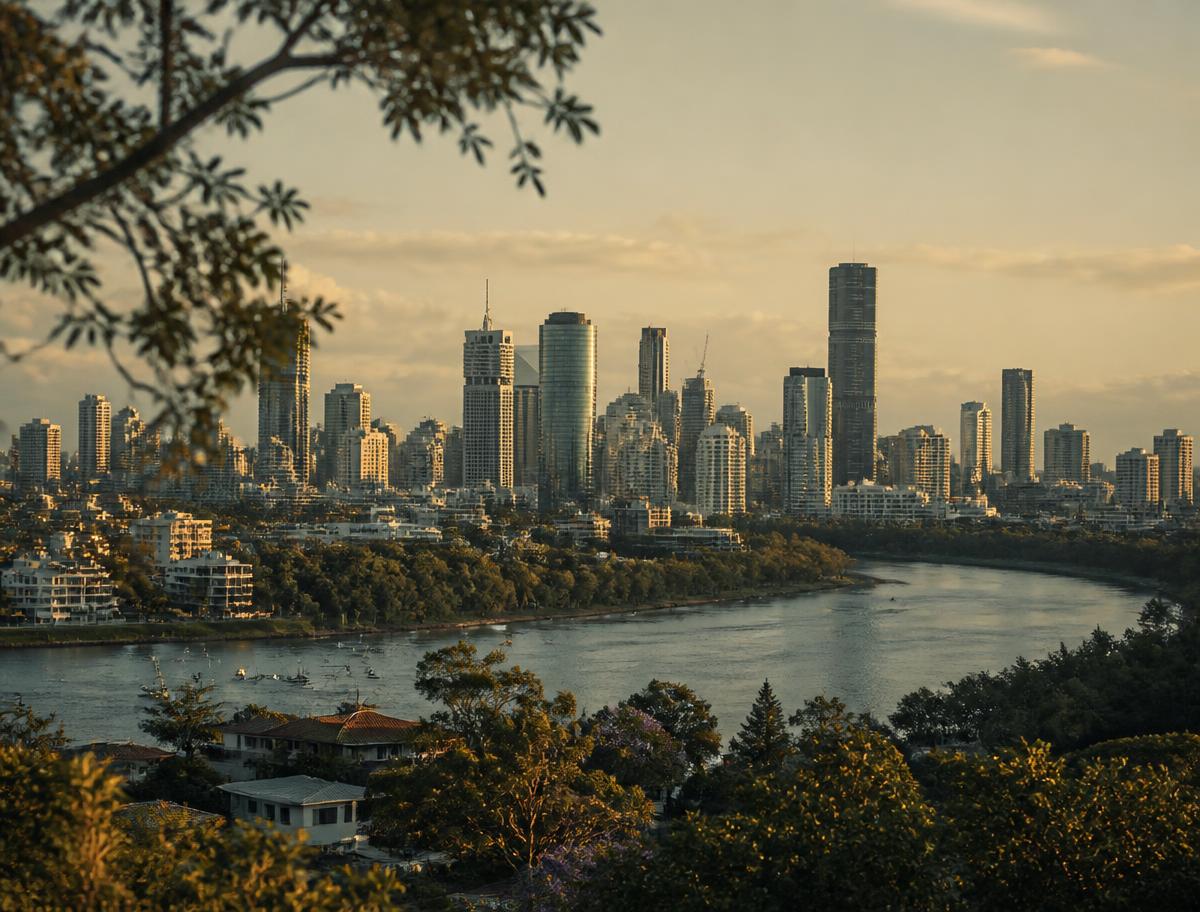
Start with how you want to live
Most people begin a Brisbane move by looking at listings. We suggest starting a step earlier: how you want each weekday and weekend to feel.
Commute time and reliability, school catchments, proximity to family support, whether you want land or walkability, and how much of your budget should go to housing - these decisions narrow the map far faster than scrolling portals.
Brisbane rewards local knowledge. Two suburbs sharing a boundary can differ markedly in flood history, housing stock, school catchment, traffic and price per square metre.
Where to live in Brisbane
A broad orientation to the parts of the city executives and families most often consider. We refine this around your work location, budget and family needs.
Inner north
Character homes, walkable villages and quick access to the CBD, hospitals and universities. Strong appeal for professionals and smaller families.
Inner west
Leafy, established suburbs with well-regarded schools, river access and a family-oriented feel within a short commute of the city.
Inner south & east
A mix of renovated Queenslanders, apartments and family pockets, close to green space, cafés and the airport corridor.
Bayside
Water, space and value further from the CBD, connected by rail. Popular with families prioritising lifestyle and land size.
Northern & southern corridors
Newer housing, larger blocks and strong rail or express bus links - often where budgets go furthest for family homes.
Western suburbs & Ipswich corridor
Established schooling options, acreage possibilities and a different pace of life within reach of the city.
Housing & renting
Brisbane's rental market moves quickly and many relocating families rent before buying. Understanding realistic price points, lease timing and what your budget achieves in each area avoids costly compromises.
Schools & families
State school catchments, independent and Catholic options, enrolment timing and waiting lists all influence where you should be looking - often before the housing decision is made.
Commuting
Rail, busway and river ferry networks make some outer suburbs more connected than closer ones. Peak-time reality matters more than a map distance.